

C-7, Jalan Dataran SD1,
PJU 9, Bandar Sri Damansara,
52200, Kuala Lumpur
Project Management Tips
A guide to effective teamwork
By Nishant Thomas Philip
We are introduced to the value of teamwork from an early age, even as far back as kindergarten. Beneath its simple surface, teamwork involves a complex mix of psychology, adaptation, and problem-solving. Looking at different group activities, it’s often puzzling why some succeed effortlessly while others struggle and fail.

What makes teamwork effective?
Scholars have long debated whether teamwork is about collective intelligence and effort or simply aligning individuals toward a common goal. In reality, it is a blend of both. Productive teamwork is not an absolute formula, but certain elements are essential—most importantly, leadership. Without proper guidance, coordination, and balance of responsibilities, teams risk falling into disarray.
Key Roles in a Team
A team functions much like a machine, where every part plays a role in keeping it running. If one component fails, the entire system suffers. This doesn’t mean members should limit themselves to one rigid function—adaptability and the ability to contribute ideas are just as crucial. Let’s break down some of the essential archetypes that often define team structures.

Leader
The leader serves as the central figure who delegates responsibilities and makes final decisions after group discussions. However, leadership is not about authoritarian control. A good leader balances authority with empathy, earning respect rather than demanding it. They should lead with decisiveness but also remain approachable, fostering collaboration. Effective leaders juggle many roles, but with team support, the process becomes far smoother.
Vice Leader
Acting as the second-in-command, the Vice Leader steps in when the main leader is unavailable. This role is more than just a substitute; they serve as a bridge between the leader and the rest of the group. Ideally, the Vice Leader should be approachable, level-headed, and capable of addressing concerns team members might hesitate to bring directly to the leader.

Secretary
Though the title may sound more corporate, having a secretary-like role within a team is highly valuable. This person works closely with the leader to manage tasks, ensure smooth coordination, and keep records of key decisions. The role suits someone highly organised and detail-oriented, as they carry the responsibility of documenting progress and keeping everyone informed.
Warning Signs in a Team
Not every project runs smoothly—sometimes, teams create their own roadblocks. While challenges are natural, certain behaviours can harm efficiency if left unchecked. Two common extremes often cause problems:
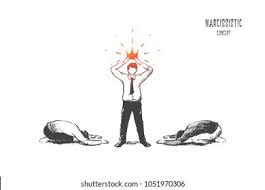
Narcissistic Leaders
It’s natural to enjoy recognition, but some individuals take this too far. Leaders with strong narcissistic tendencies may micromanage, hoard credit, and undermine the team’s morale. When this happens, the group must either encourage a change in behaviour or, in severe cases, remove the disruptive individual.
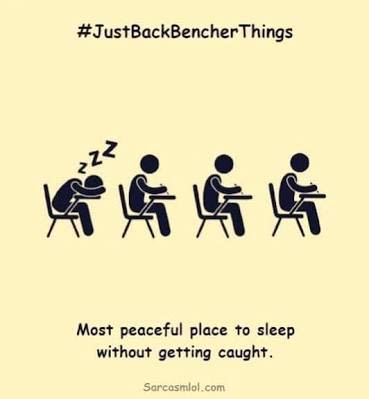
Backbenchers
On the opposite end of the spectrum are backbenchers—those who contribute little, avoid responsibility, and rely on others to carry the workload. Often called freeloaders, they drain motivation and slow down progress. Addressing this issue early prevents them from disrupting the team’s flow.
These insights are not universal solutions but guidelines to help teams handle common challenges. By recognising important roles and addressing toxic behaviours, teams can improve their chances of achieving success together.